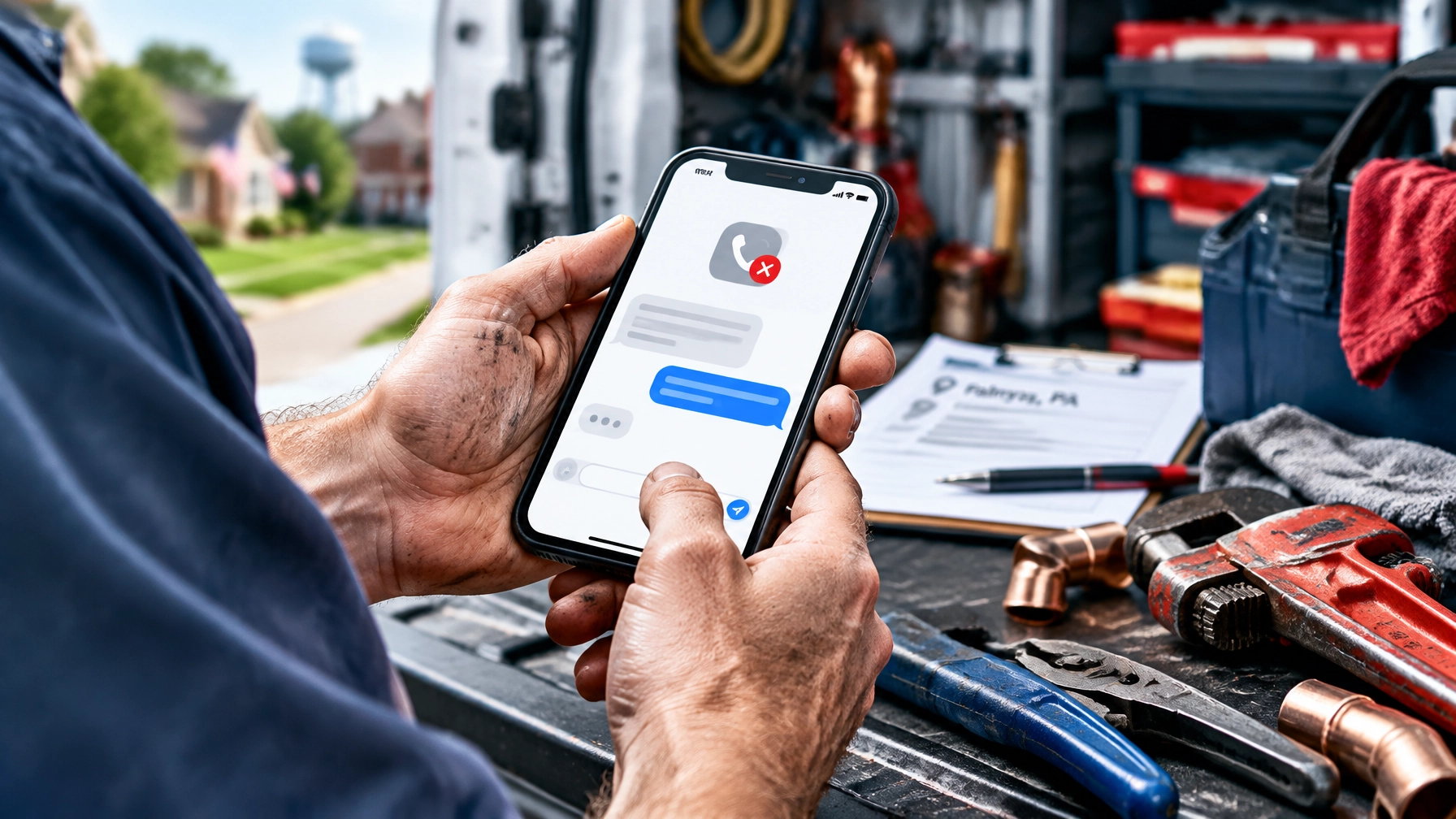
When someone’s heat fails, a pipe leaks, or they need to book a professional appointment, they usually want help now, not tomorrow. AI agents for lead generation help your business respond while the prospect is still choosing who to call.
At Premier Marketing Group, we’ve spent more than 15 years helping small businesses strengthen their marketing and turn opportunities into measurable results. For local service companies, professional practices, and ecommerce brands, speed to lead is a practical advantage: make contact quickly, make the next step clear, and don’t let a valuable inquiry disappear while your team is busy.
A person searching for a plumber or dentist may contact more than one business. If one responds promptly and the others stay silent, the first business has a better chance to start the conversation.
Research from InsideSales, analyzing 5.7 million inbound leads and 55 million sales activities across more than 400 companies, found that contacting a lead within five minutes was associated with conversion rates more than eight times higher than waiting six minutes or longer. The study is not a guarantee for every local business, but it points to a clear operational lesson: delay can cost you the chance to compete. (InsideSales: Response Time Matters)
The challenge is that leads don’t arrive only when your staff is free. A call might come in while an electrician is on a ladder, a landscaper is driving between jobs, or an office is closed. In Invoca’s 2026 home-services benchmark, just 52% of inbound calls were answered by a person. (Invoca Home Services Lead Conversion Benchmarks)
Voicemail alone may not be enough. Invoca has also reported that fewer than 3% of callers routed to voicemail leave a message. (Invoca: The Cost of Missed Sales Calls) Every unanswered call or delayed form response creates a tipping point: your next action can keep the prospect engaged, or leave the door open for a competitor.
Think of an AI agent as a digital receptionist that can start a useful conversation when your team can’t pick up. It isn’t there to replace your expertise. It handles the first steps (acknowledging, asking, and routing) so your staff can take over with context.
A missed-call text-back can send a short, timely message such as: “Sorry we missed you. What service do you need, and what town are you in?” If the person responds, the system can collect the basics and alert your team.
The message should be clear, helpful, and compliant with applicable texting rules. Get the right consent, honor opt-outs, and avoid sending unwanted promotional messages.
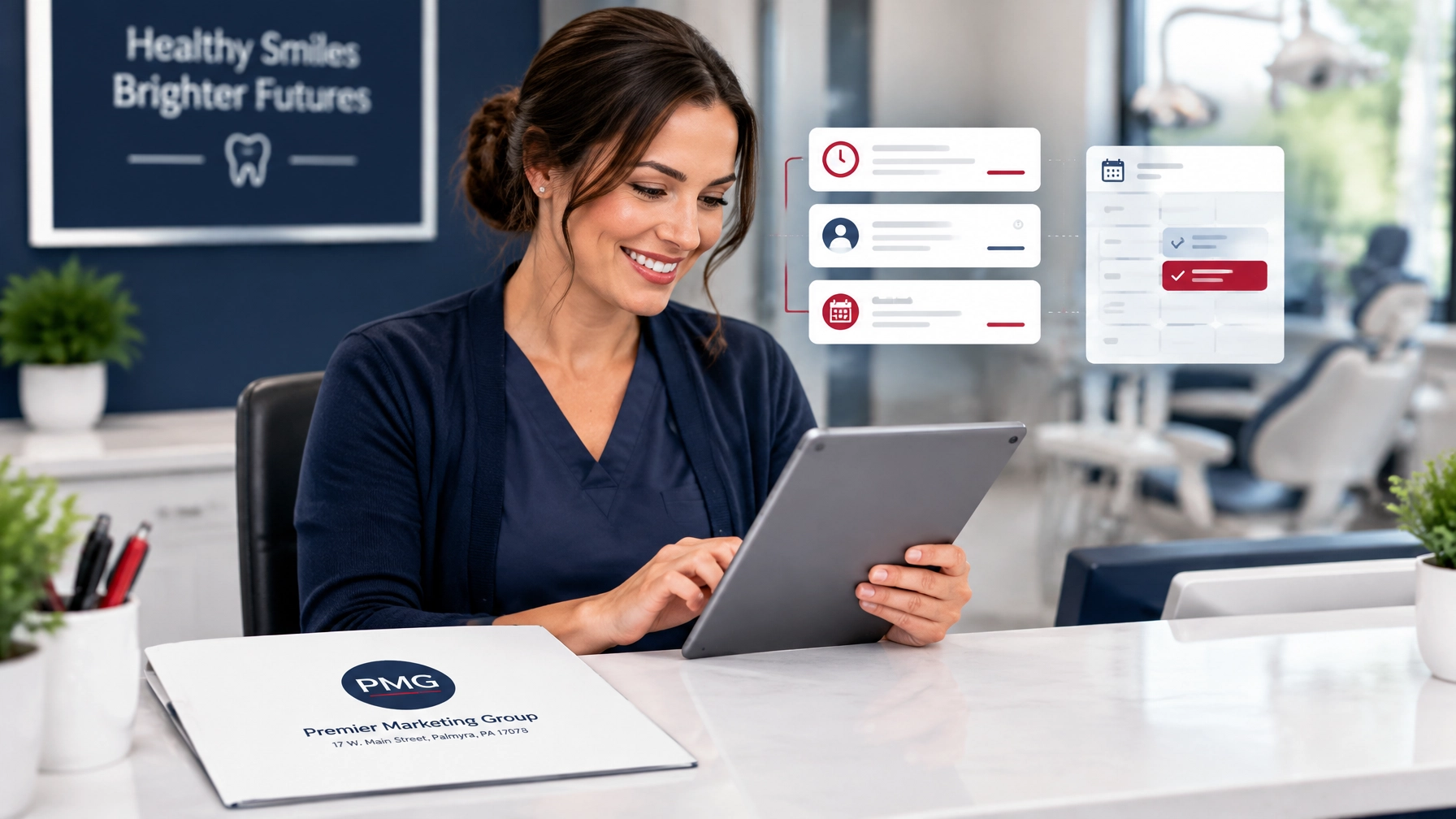
An AI chat or voice agent can answer approved questions about service areas, business hours, appointment availability, or what information a customer should prepare. It can also ask a few relevant lead qualification questions:
For a dental office, an agent might direct a new patient to the right appointment type. For an HVAC contractor, it might distinguish an urgent no-heat call from a request for a routine estimate. Keep questions brief and route emergencies or sensitive matters to a person.
When availability and business rules are connected, the agent can offer an appointment or estimate window rather than leaving the prospect with “We’ll call you back.” That small change removes scheduling friction. It’s like having a front desk that opens the door and shows the visitor where to go.
Not every prospect replies to the first message. A simple marketing automation workflow can send a limited sequence of useful follow-ups (for example, a reminder after a short interval and another the next business day) then stop or hand off based on the person’s response.
Keep the purpose focused on speed to lead: help the prospect book, clarify what they need, or connect with your team. Don’t overwhelm them with a long string of generic messages. Review your business rules and consent requirements before enabling automated SMS or calls.
For ideas on how automated tools fit into a broader system, explore our guide to marketing automation and AI agents.
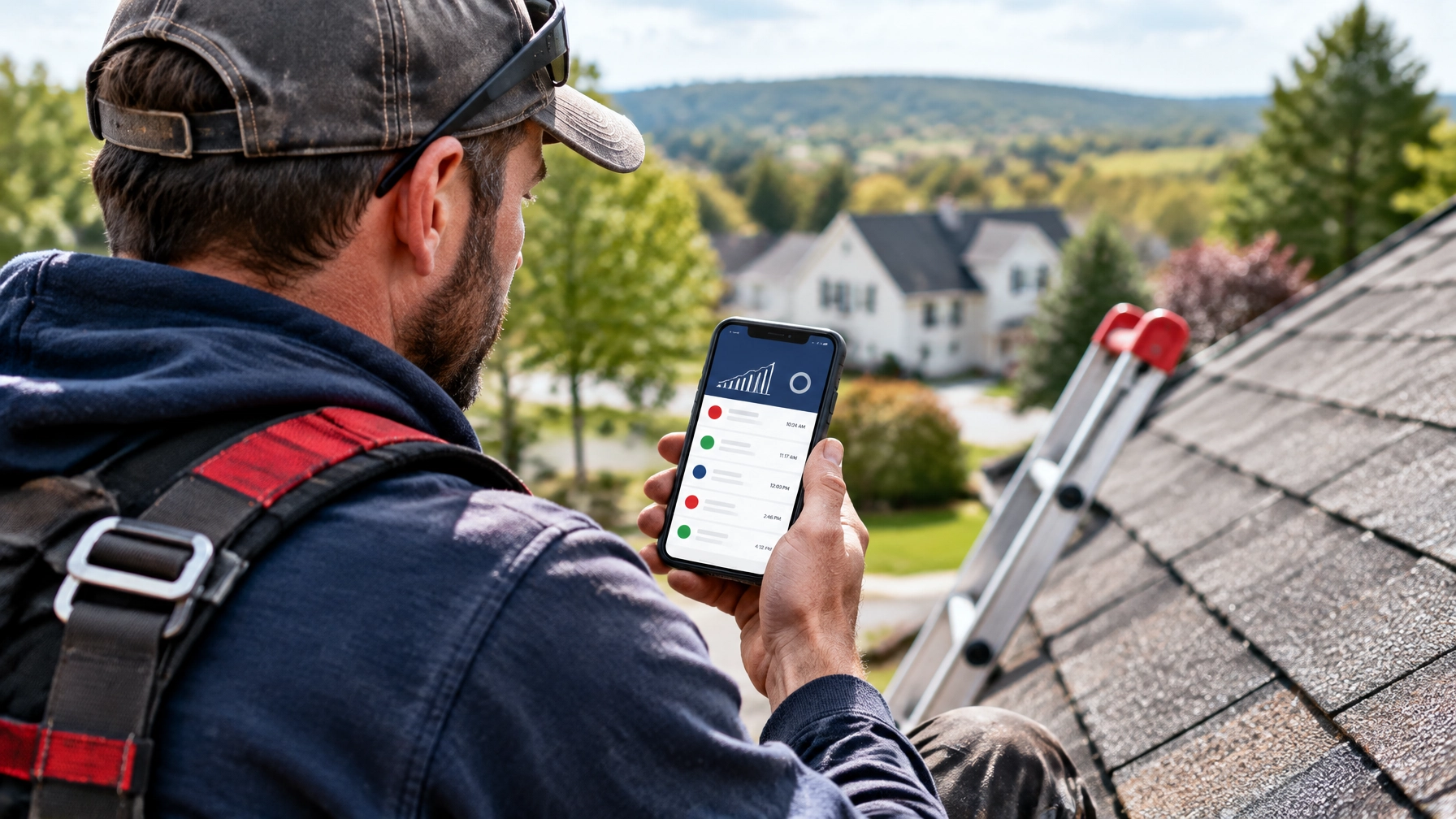
An AI agent can do more than answer quickly. If it records the lead source, requested service, location, urgency, response time, and whether an appointment was booked, your business has better information to assess marketing performance.
That matters because a click or form submission is not automatically a valuable lead. A clear record can show whether a call from a paid search campaign became a qualified estimate, or whether your website needs a clearer path to booking. Over time, those details can help you refine your SEO services, PPC management, and landing pages.
Make sure your website supports the system with easy-to-find contact options, clear service information, and mobile-friendly forms. If visitors struggle to take the first step, professional web design services can help remove that friction. A small business marketing agency or marketing consultant can also help connect the lead-response process to your wider marketing plan. For local firms, that plan may include local SEO services and reputation management.
Consider a hypothetical HVAC company serving Palmyra, PA and nearby Lebanon County. A homeowner submits a request after the office closes because their heating system has stopped working.
An AI agent acknowledges the inquiry, asks for the ZIP code and whether the home has heat, and offers the next available estimate or service window. If the request sounds urgent, it follows the company’s approved escalation instructions and alerts the on-call team. If the homeowner doesn’t respond, a brief follow-up can offer a direct way to continue in the morning.
For illustration, suppose the company receives 20 after-hours inquiries in a month and five of those leads book after using the system. That’s five scheduled opportunities the team can track and compare with its previous process, not a promised outcome or industry benchmark. The business should measure actual results: response time, replies, qualified leads, booked jobs, and completed work.
No. They can handle initial acknowledgment and routine questions, but people should remain available for complex, urgent, or sensitive situations. The goal is to help your team respond sooner, not remove human support.
It can offer scheduling when connected to accurate availability and clear business rules. Confirm that appointment types, service areas, and urgent requests are handled correctly before putting the process into use.
Start with response time, missed-call recovery, qualified-lead rate, and booked appointments. Then compare those results with the source of each lead to understand how your SEO and paid campaigns perform.
A simple chatbot can answer basic questions, but an AI agent may also qualify, route, and help schedule leads. The right choice depends on your customers, systems, and the kinds of decisions you want to automate.
In 2026, speed to lead is not about rushing customers. It’s about being available when they’re ready to ask for help, and giving them a clear next step. AI agents for lead generation can help you answer, qualify, and schedule while your team stays focused on its work.
Premier Marketing Group brings more than 15 years of small-business marketing experience to practical, measurable plans. If your business is losing opportunities to unanswered calls or slow follow-up, contact Premier Marketing Group to discuss what a faster lead-response system could look like. Take the next level one response at a time, then keep improving with the results you measure.
Meta description: AI agents for lead generation help South-Central PA businesses respond in seconds, recover missed calls after hours, qualify leads, and book more jobs.