Your website is no longer just an online brochure. In 2026, it is your first salesperson, trust builder, appointment setter, and data source for search engines and AI-powered tools.
Whether you own an HVAC company, dental practice, law firm, accounting office, landscaping business, or ecommerce brand, your website must help people act quickly while making your business easy for technology to understand.
Premier Marketing Group has helped businesses improve their marketing for more than 10 years. Our mission is simple: help small business owners and growing brands turn digital visibility into measurable calls, appointments, leads, and sales.
A website can look impressive on a large monitor and still fail on the phone your customers use to contact you.
Mobile devices represent approximately 52.6% of worldwide web traffic, according to StatCounter. That means your website should be designed for smaller screens first, then expanded for tablets and desktops.
A homeowner searching for emergency service does not want to pinch, zoom, or hunt through three menus. Every extra step can become a missed opportunity.
A custom layout, responsive structure, and clear calls to action are central to Premier Marketing Group’s custom website design services.
Speed is not merely a technical preference. It affects user experience, search visibility, and conversions.
Google’s recommended Core Web Vitals targets include:
If your site takes too long to load, visitors may leave before they see your best offer. Slow-loading pages also waste money when you are paying for clicks through advertising.
Think of your website like a front door. If the door sticks, customers may never walk inside.
Accessibility helps people with visual, hearing, motor, and cognitive disabilities use your website. It also makes your content easier for search engines and AI systems to interpret.
The WebAIM Million project has repeatedly found detectable accessibility errors on more than 90% of major website homepages. That is a warning, and an opportunity.
Accessibility is not just about compliance. Clear design helps every visitor move from question to action faster.
Visitors should understand what you do, who you serve, and what to do next within seconds.
Your navigation should not force customers to decode clever labels. A home services company may need separate pages for installation, repairs, maintenance, and emergency calls. A professional practice may need clear pages for each major service or area of expertise.
This structure benefits people and helps AI-powered search identify the most relevant information about your business. The best design feels obvious because it removes unnecessary decisions.
A visitor may compare three or four businesses before contacting you. Your website must quickly answer the question: “Why should I choose you?”
Include proof where it supports the decision:
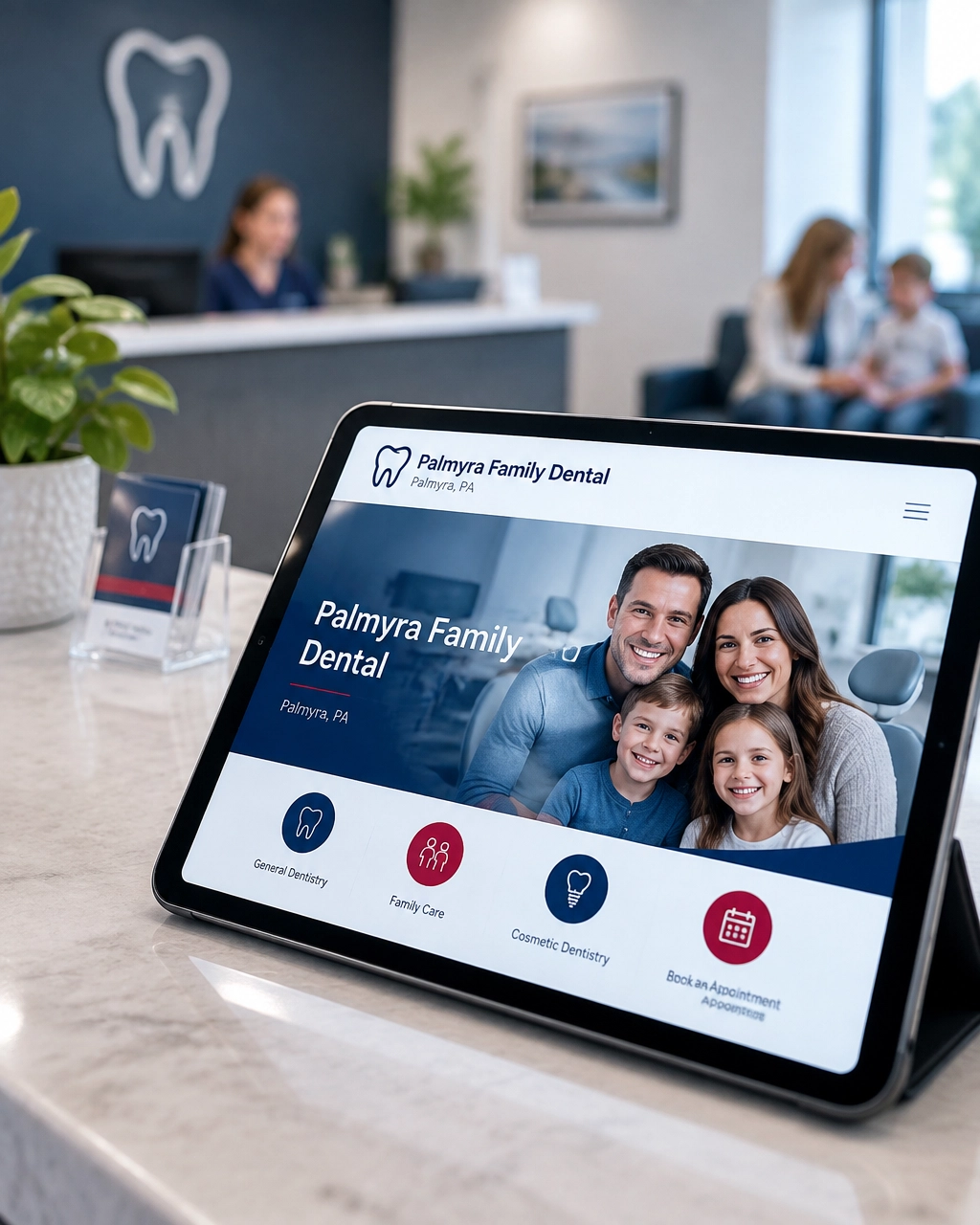
For example, a dental practice should make it easy to find appointment information, accepted insurance, emergency care details, and patient expectations. A contractor should show completed work and explain the process from estimate to completion.
Your website should work with your reputation management for businesses efforts, not leave reviews and credibility signals disconnected from the buying process.
SEO should not be added after the website is finished. The design, page structure, navigation, URLs, headings, and content all influence how search engines understand your business.
Your website should use:
This is where professional SEO services support the foundation created by your web design.
Do not fill pages with repetitive keywords. Instead, answer the questions your customers actually ask:
Clear content helps traditional search, AI-powered search, and real customers. That is the practical connection between strong web design and GEO.
For a deeper look at AI visibility, review this guide to GEO for local businesses.
A beautiful website that does not generate action is an expensive digital display.
Every important page should guide visitors toward an appropriate next step. A homeowner may want to call. A dental patient may want to book. A law firm prospect may prefer a confidential form. An ecommerce customer may need product comparisons and a fast checkout.
Do not ask every visitor to take the same action. Match the call to action to the customer’s level of readiness.
In 2026, your website should not operate as an isolated island.
Connect it to analytics, call tracking, customer relationship management tools, appointment software, ecommerce systems, and marketing automation where appropriate. These connections help you understand what happens after someone visits the site.
Track metrics such as:
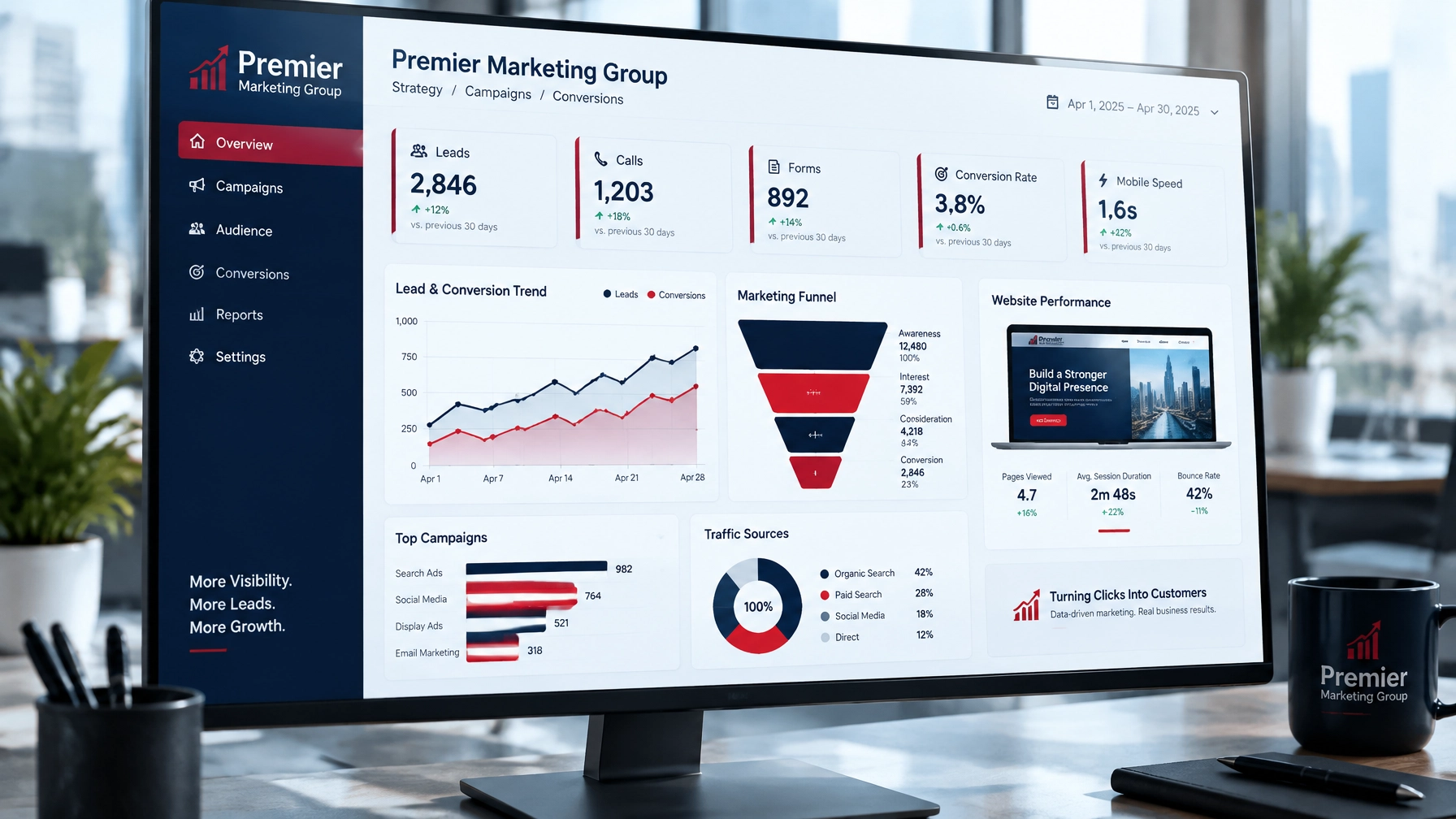
A visitor may arrive from SEO services, a paid campaign, direct mail, or a social post. Your measurement system should show which channels produce real business results.
Marketing automation can then support useful follow-up, such as appointment reminders, abandoned-cart emails, or timely responses to quote requests. The goal is not to automate relationships; it is to prevent good leads from being forgotten.
Your website needs a strong technical foundation as your business grows.
At a minimum, plan for:
A website is not finished when it launches. Customer expectations, search features, devices, regulations, and business goals continue to change.
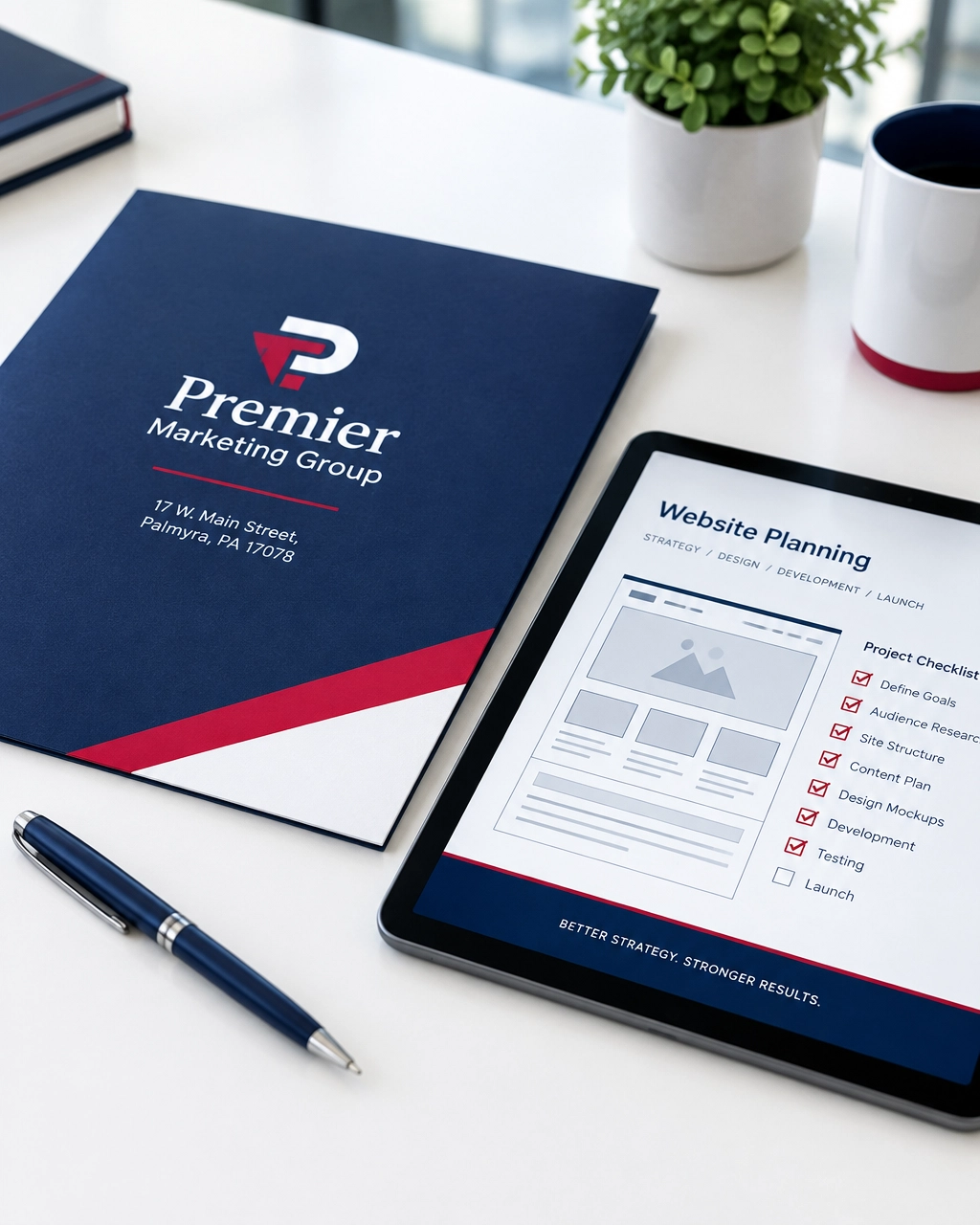
Your website should be flexible enough to add new services, publish educational content, launch promotions, support new integrations, and improve based on performance data.
There is no universal deadline, but many businesses should review their website every year and consider a larger redesign every three to five years. A redesign may be necessary sooner if the site is slow, difficult to update, not mobile-friendly, or no longer matches your services.
They can be purchased separately, but they work best together. Web design creates the structure and user experience. SEO improves visibility and attracts relevant visitors. Building both into the project from the beginning usually prevents expensive rework.
Not necessarily. You do not need a gimmick or a special “AI page.” You need fast, accessible, well-structured content with accurate business information. Those fundamentals help both people and AI-powered search systems.
Track actions that matter to your business: calls, forms, appointments, quote requests, purchases, and qualified leads. Traffic is useful, but conversion data tells you whether the website is contributing to growth.
That depends on your needs. A marketing consultant may help you prioritize strategy and investments. A full-service digital marketing agency can combine strategy with website design, SEO, paid advertising, branding, reputation management, and ongoing optimization.
The AI era does not eliminate the need for a strong website. It raises the standard.
Your website must load quickly, communicate clearly, build trust, support accessibility, guide visitors toward action, and provide reliable information that technology can understand. When those pieces work together, your site becomes more than a brochure. It becomes a measurable growth system.
Premier Marketing Group has helped businesses build practical marketing systems for more than a decade. If your website is bleeding visitors, creating missed opportunities, or failing to explain what makes your business different, now is the right time to improve it.
Contact Premier Marketing Group to discuss your next step and keep taking your business to the next level.
Meta description: Discover how web design services help PA businesses build faster, smarter websites that win customers, support AI search, and increase conversions in 2026.